The result isn't
a perfect dog.It's more life together.
Training matters when it changes what you and your dog are able to do together — not just what happens during a training session.
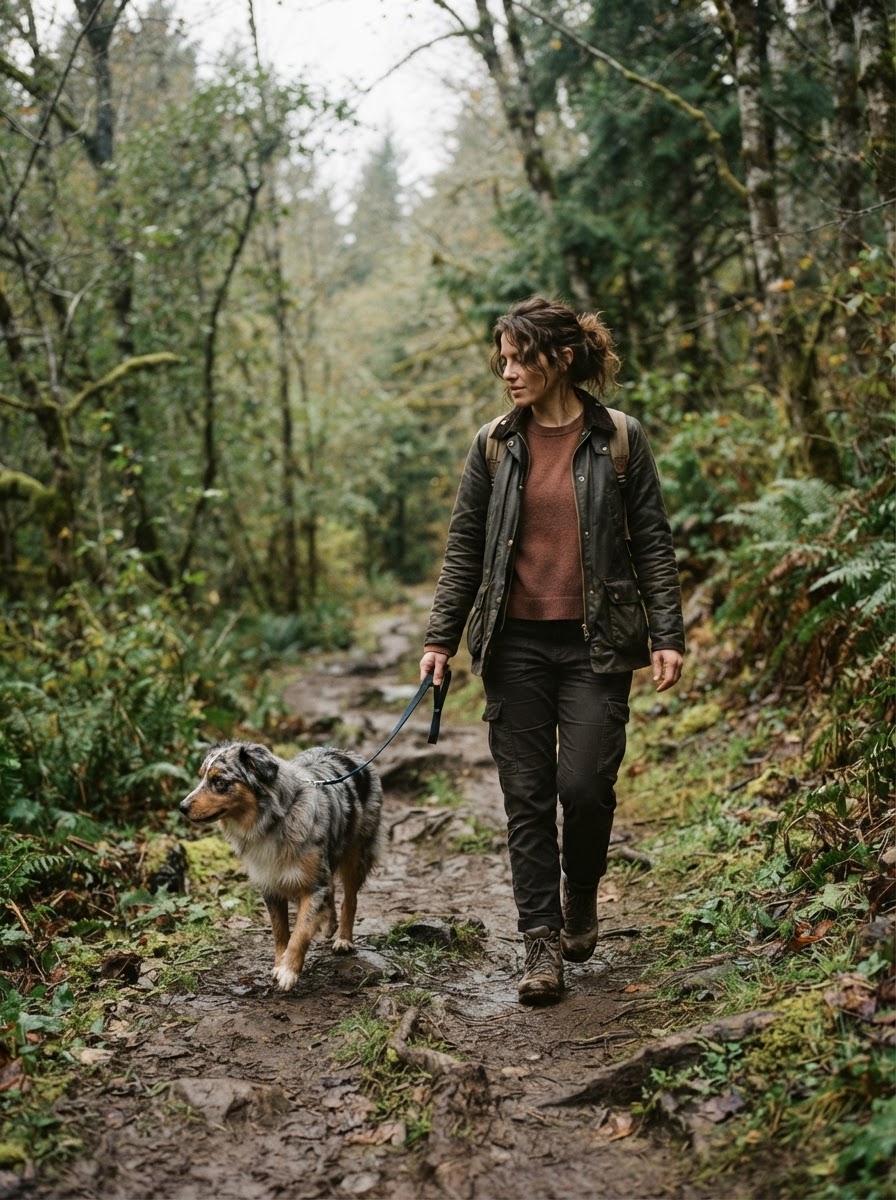
Not perfection.
More possibility.
Every dog starts somewhere different, and progress doesn't look the same for every owner.
The question isn't whether your dog can perform perfectly. It's whether training is helping everyday life become clearer, more workable and more open.
Less managing.
Less time organizing your entire environment around what your dog might do.
More communication.
Clearer expectations between you and your dog when the environment changes.
More life together.
More confidence navigating the places and situations that matter to you.
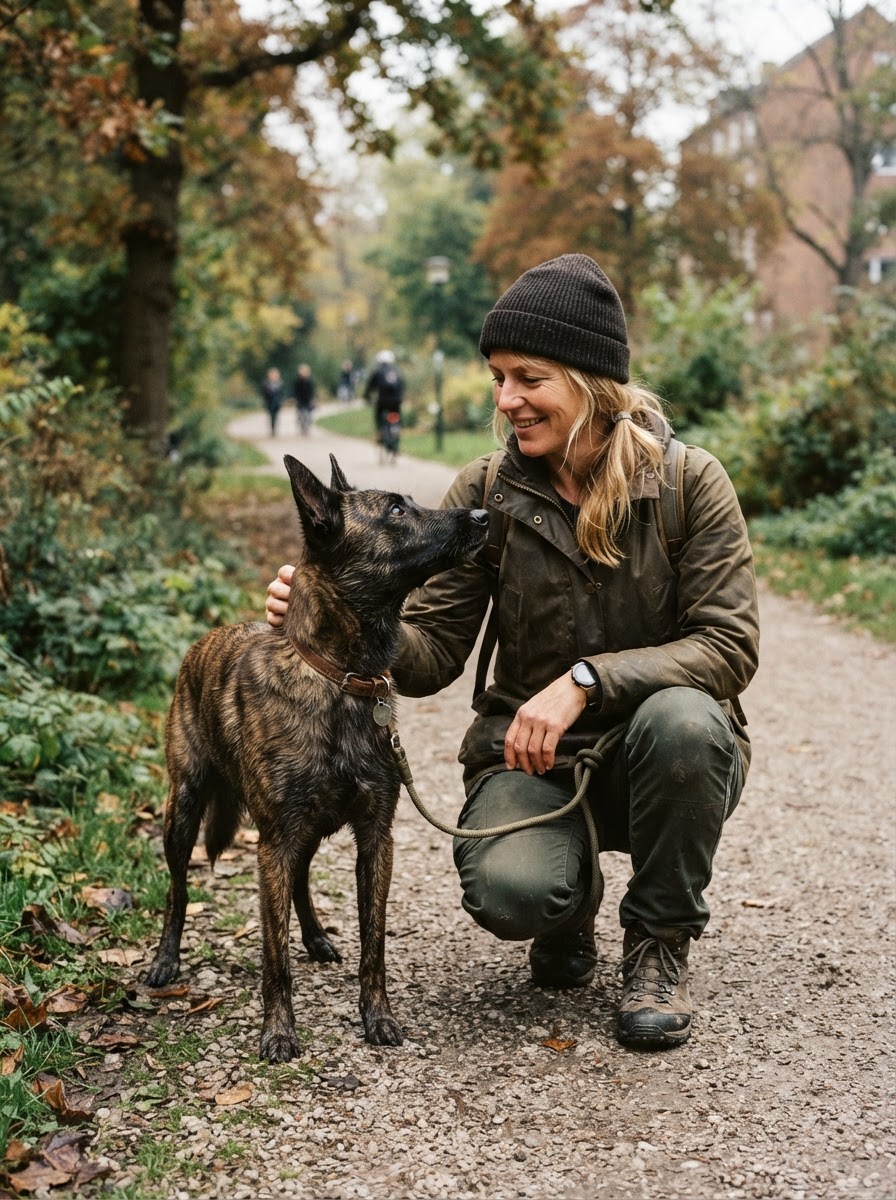
River
Dutch ShepherdThe skills were there.
The reliability wasn't.
Before
River understood familiar cues in quieter environments, but distractions changed the conversation. Walks required constant attention and the owner often found themselves managing the environment instead of moving through it.
The Work
Training focused on clearer communication, engagement around distractions and practicing existing skills across increasingly realistic environments.
What Changed
The work created a stronger foundation for communication when the environment became more demanding.
Life Now
Instead of measuring progress by perfect performance, the focus became how well River and the owner could recover, reconnect and continue moving together.
Reliability isn't what happens
when nothing is happening.
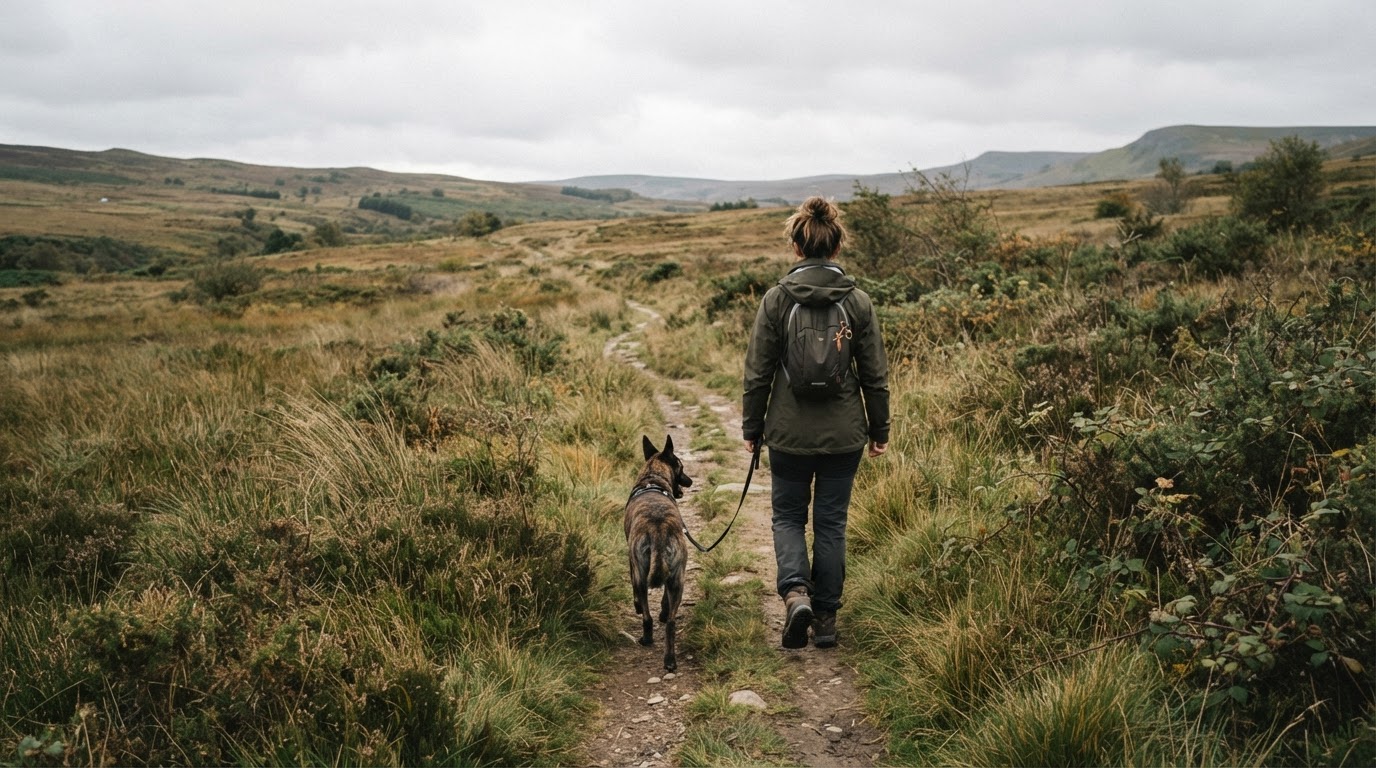
The environment
is part of
the training.
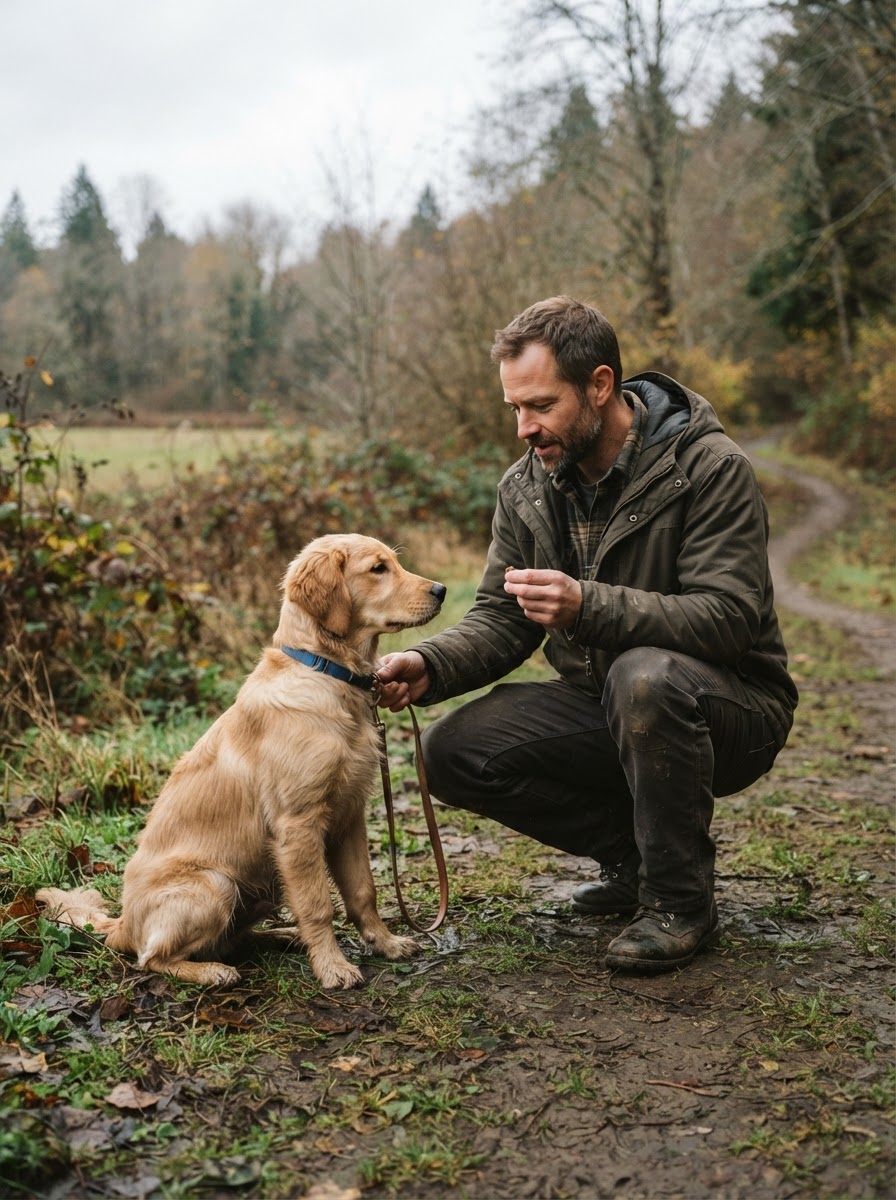
Mabel
Golden RetrieverNothing was dramatically wrong.
Everything was becoming a habit.
Before
Mabel was young, enthusiastic and learning constantly — including the behaviors nobody had intentionally taught her. The challenge wasn't a major behavioral problem. It was the absence of a clear foundation.
The Work
Training focused on communication, boundaries, impulse control, useful everyday skills and helping the owner understand how routines were shaping behavior.
What Changed
Instead of reacting to habits after they appeared, the owner had a clearer framework for guiding them as they developed.
Life Now
The goal remains age-appropriate progress rather than perfection — with stronger communication and routines supporting everyday life together.
Early training isn't about control.
It's about creating
something clear to grow into.
Otis
Mixed BreedLife had started
getting smaller.
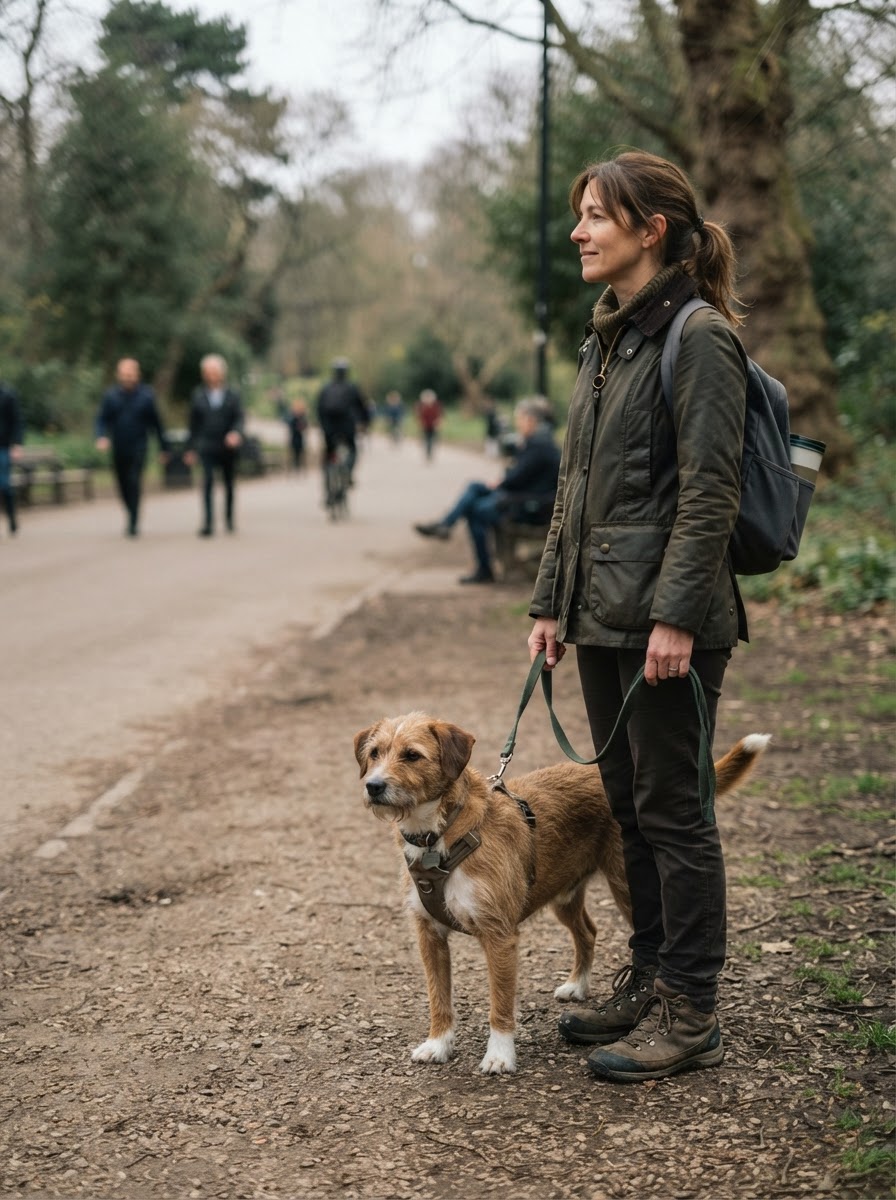
Before
Certain environments had become difficult enough that avoiding them often felt easier. Walks were planned carefully. Some situations were skipped altogether. The owner's world with Otis was gradually becoming more limited.
The Work
The approach began with understanding the situations that were difficult, creating clearer communication and building practical skills at a pace appropriate for the dog in front of us. Management remained part of the process rather than something to be ashamed of.
What Changed
Training supported a more workable framework for navigating situations that previously felt difficult. Progress was measured in useful moments — not dramatic promises.
Life Now
The goal isn't to put Otis into every possible environment. It's to create more options, clearer communication and a life that doesn't have to revolve entirely around avoidance.
Progress can mean
having more choices
than you had before.
Different dog.
Different starting point.
Different win.
One owner wants calmer walks. Another wants clearer communication around visitors. Another wants to bring their dog into more of everyday life. There isn't one universal picture of a “trained dog.”
A walk that feels
less like a job.
A dog who can
reconnect after
a distraction.
An owner who knows
what to do next.
More places
you can go
together.
A routine that
finally makes sense.
The win is whatever makes your actual life together work better.
Training is work.
For both ends of the leash.
Dogs are individuals. Environments change. Behavior changes with context. And the work doesn't stop simply because a formal training program ends.
What professional training can do is give you clearer communication, stronger skills and a more useful framework for continuing the work together.
We don't promise a perfect dog.
We build toward a more capable team.
You don't need
someone else's result.
You need the right starting point for yours.
Tell us what's happening now, where life with your dog is becoming difficult and what you'd like to be able to do together. We'll start there.
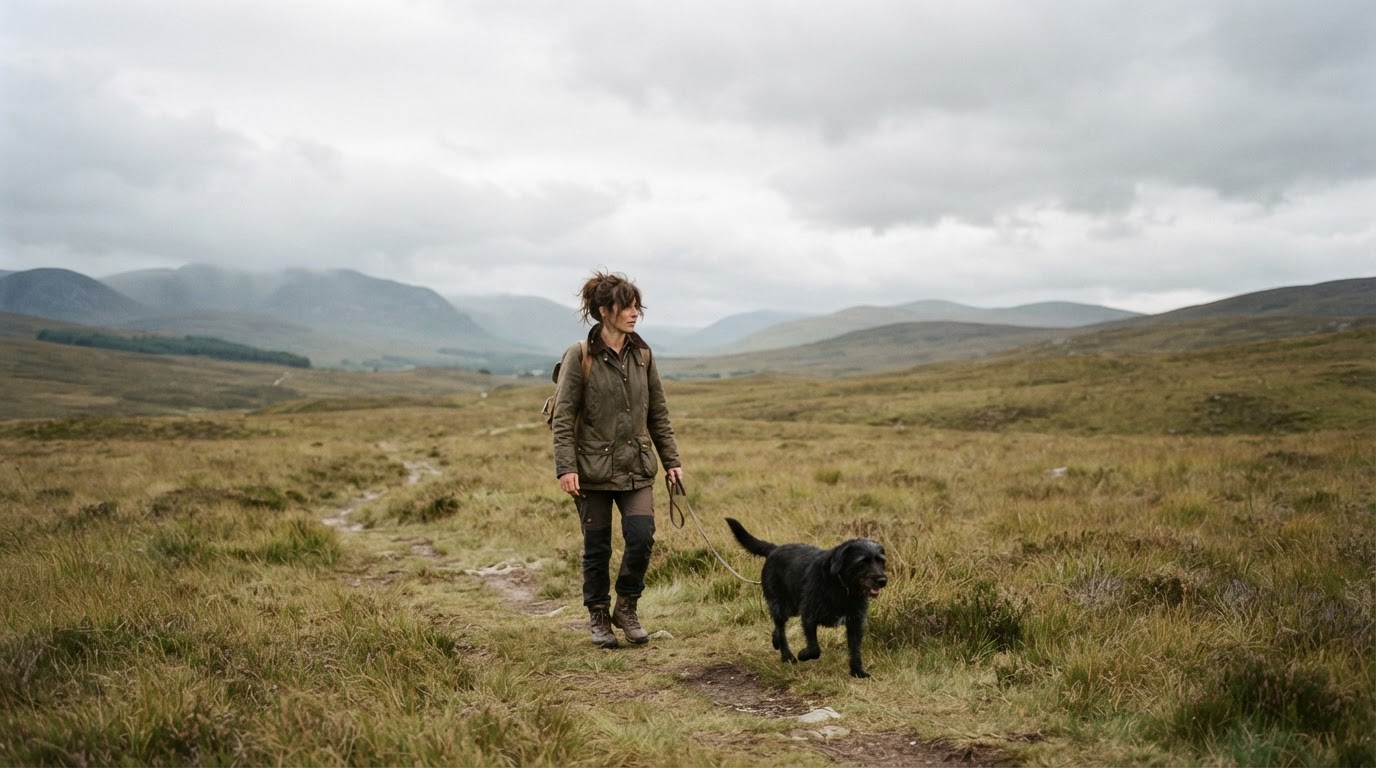
Train for the life
you want to live
together.
More communication. More reliability. More possibilities.
Fieldhouse K9 / Training for Real Life